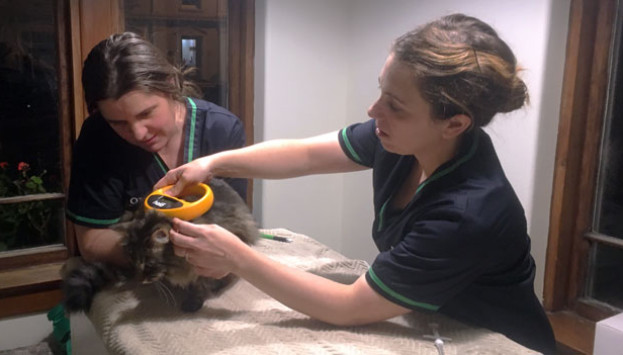
Subsidised cat microchipping clinics on offer
Otago Polytechnic and Predator Free Dunedin are partnering up to offer local pet owners free or subsidised microchipping for their feline friends.
Being a responsible cat companion starts with the basics, and Predator Free Dunedin says registered microchipping is one of the simplest, most effective steps cat owners can take.
“If your cat ever gets lost or injured, a microchip (with up-to-date details) makes it much easier to reunite you quickly,” says Rosie Olsen from Predator Free Dunedin.
Two public clinics are being run as part of the Wild Dunedin Festival of Nature with daytime and evening sessions on offer in town, with organisers encouraging cat owners to take advantage of the opportunity.

“Ōtepoti Dunedin is a city that loves its cats and its wildlife”, says Rosie.
“These clinics are about supporting people to be good neighbours, good guardians, and good kaitiaki at the same time.
“We’ll also have on-site help with NZ Companion Animal Register paperwork, because we know time, transport, and form-filling can all push microchipping into the ‘too hard’ basket.”
The clinics are being supported and hosted by Otago Polytechnic’s School of Animal Health and Veterinary Nursing.
Second year Diploma in Veterinary Nursing students will be carrying out the brief microchipping procedures, under the supervision of two registered veterinary nurses - Principal lecturer Catherine Rice and Senior lecturer Vicki Letchford.
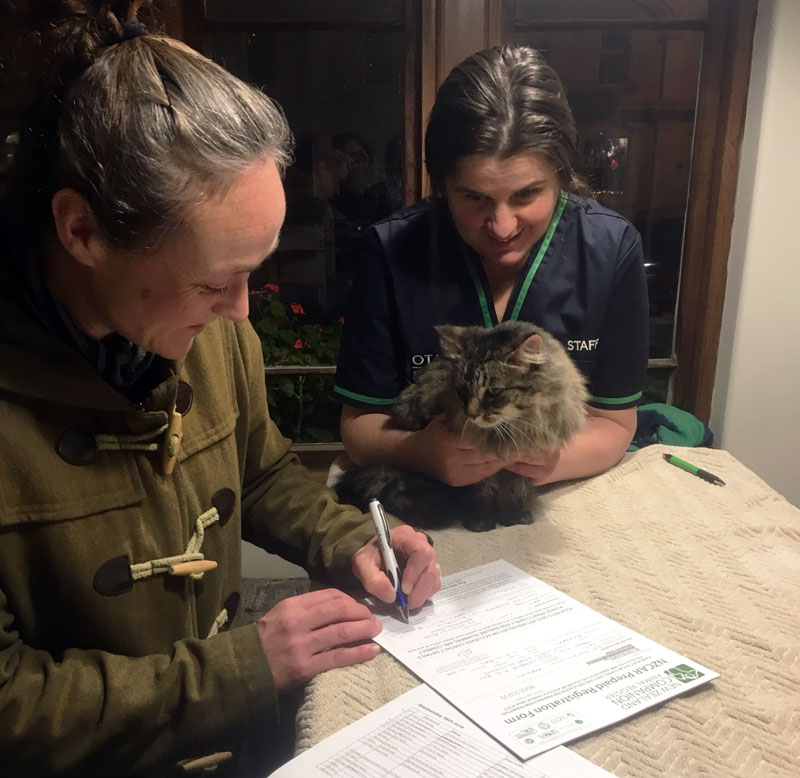
The clinics are aimed at increasing the accessibility of the simple procedure for cat owners, with a standard vet visit out of reach for some whānau.
“By offering free microchipping for Community Services Card, SuperGold and student ID holders, and a low $15 subsidised fee for waged people, we’re hoping to take cost off the table as a barrier,” says Rosie.
“With feral cats now included in the Predator Free 2050 target predator list, microchipping is also about clarity.”
“It helps distinguish much loved companion cats from truly feral cats, so conservation work can go ahead while keeping identified pets out of harm’s way,” she says.
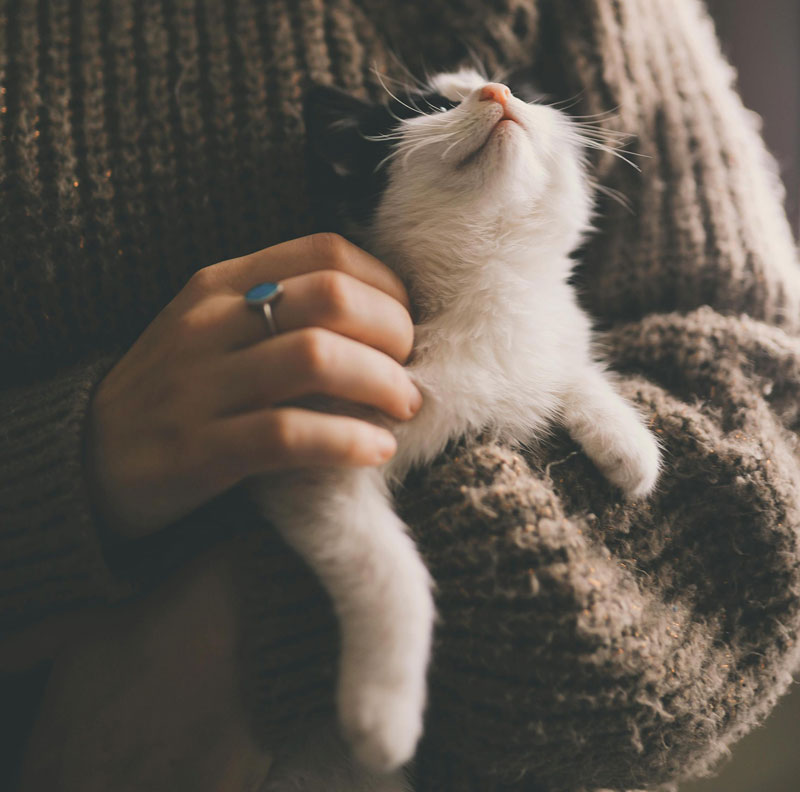 (Photographer: Nida Kurt)
The procedure is brief for both the cats and their owners. The microchip itself is injected under the skin between the shoulders in a matter of seconds, and most cats are in and out within about 15-20 minutes including paperwork and registration.
The two clinics are being held at Otago Polytechnic’s N Block at 5 Riego Street, North Dunedin (just off Anzac Ave).
Session times are Tuesday 14 April (10am–1pm) and Thursday 16 April (5pm–8pm).
With spaces limited, organisers are encouraging people to register their interest in advance through this online form, so they can allocate team numbers and minimise waiting times for cats.
>> Click here to register with our online booking form
Published on 10 Apr 2026
Orderdate: 10 Apr 2026
Expiry: 10 Apr 2028
related

Strategy feedback - we want to hear from you!
We're creating our strategic direction for the next five years and we want your voice to be part of shaping our future!We want to define who we are as an organi...
G Block Exterior Building Wash
Please be advised that the exterior of G Block will be undergoing a building wash from 2 October to 5 October. Contractors will be working around the exterior...
Stadium sponsorship celebrates long partnership
The bright blue and green colours of Otago Polytechnic are back under the roof at Dunedin’s Forsyth Barr Stadium, marking the reactivation of a long-standing...